Year of Growth
Written by: Heidi Kittredge
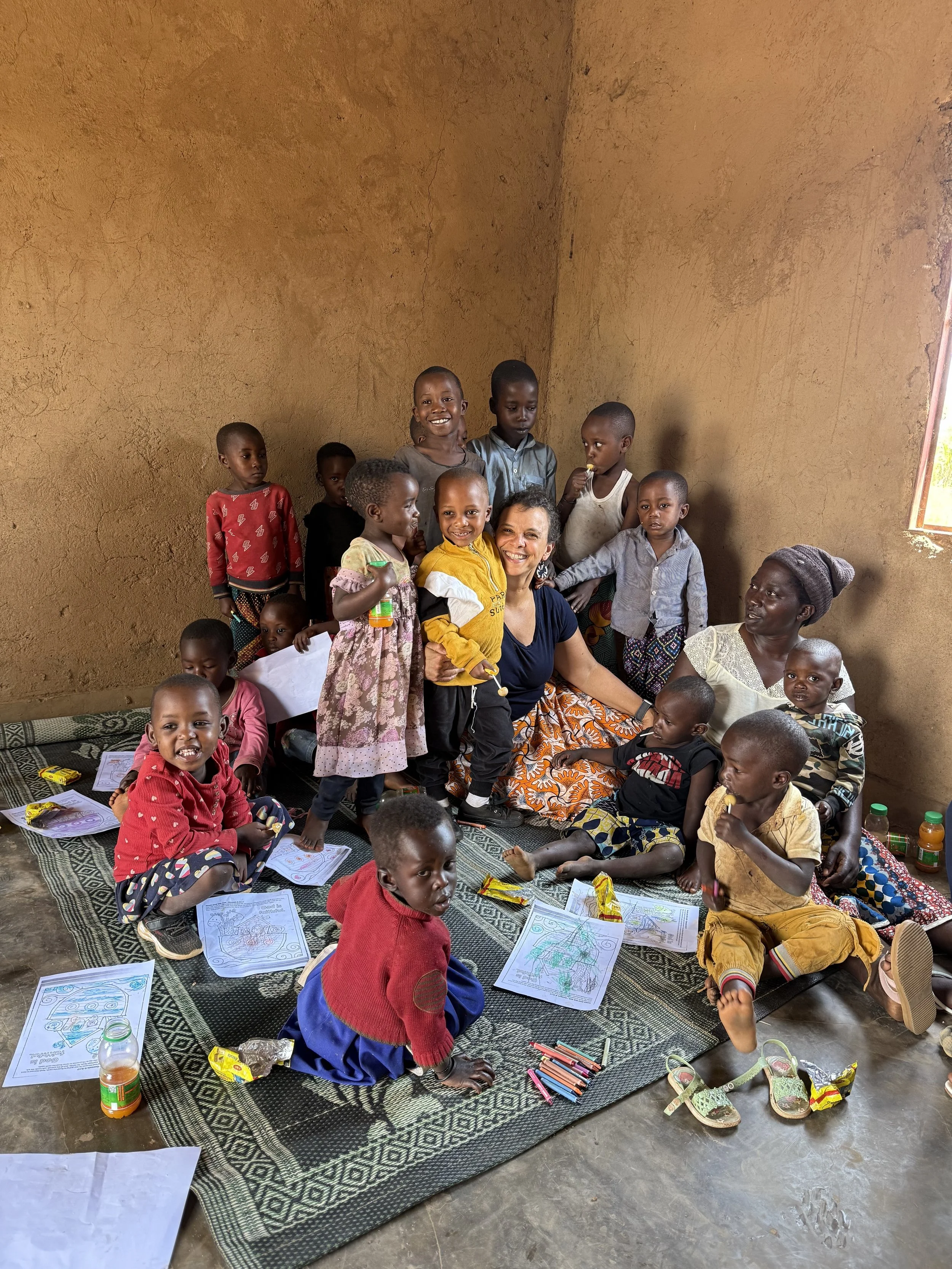
I arrived in Rwanda a few days earlier than the rest of the AWHI mission team. So today, I traveled to Rweru with the hope of meeting the women’s cooperative group and spending time with the children.
My visit did not go as I planned. Most of the children were attending a government malnutrition program where they receive monthly meals and nutritional supplements.
I was still able to spend time with a few younger children. I shared the story of Noah’s Ark, a coloring activity, and handed out juice and biscuits.
After meeting with the children, I met with Pastor Alex to talk about the women’s cooperative. My last visit to Rweru was in 2022, when the women received a $400 savings bonus (now known as the Rise Up Fund). In 2025, they received $50 microloans.
The group consists of 30 women:
6 sell basic items each evening at the Rweru market and twice weekly in the village of Batima, a two hour walk.
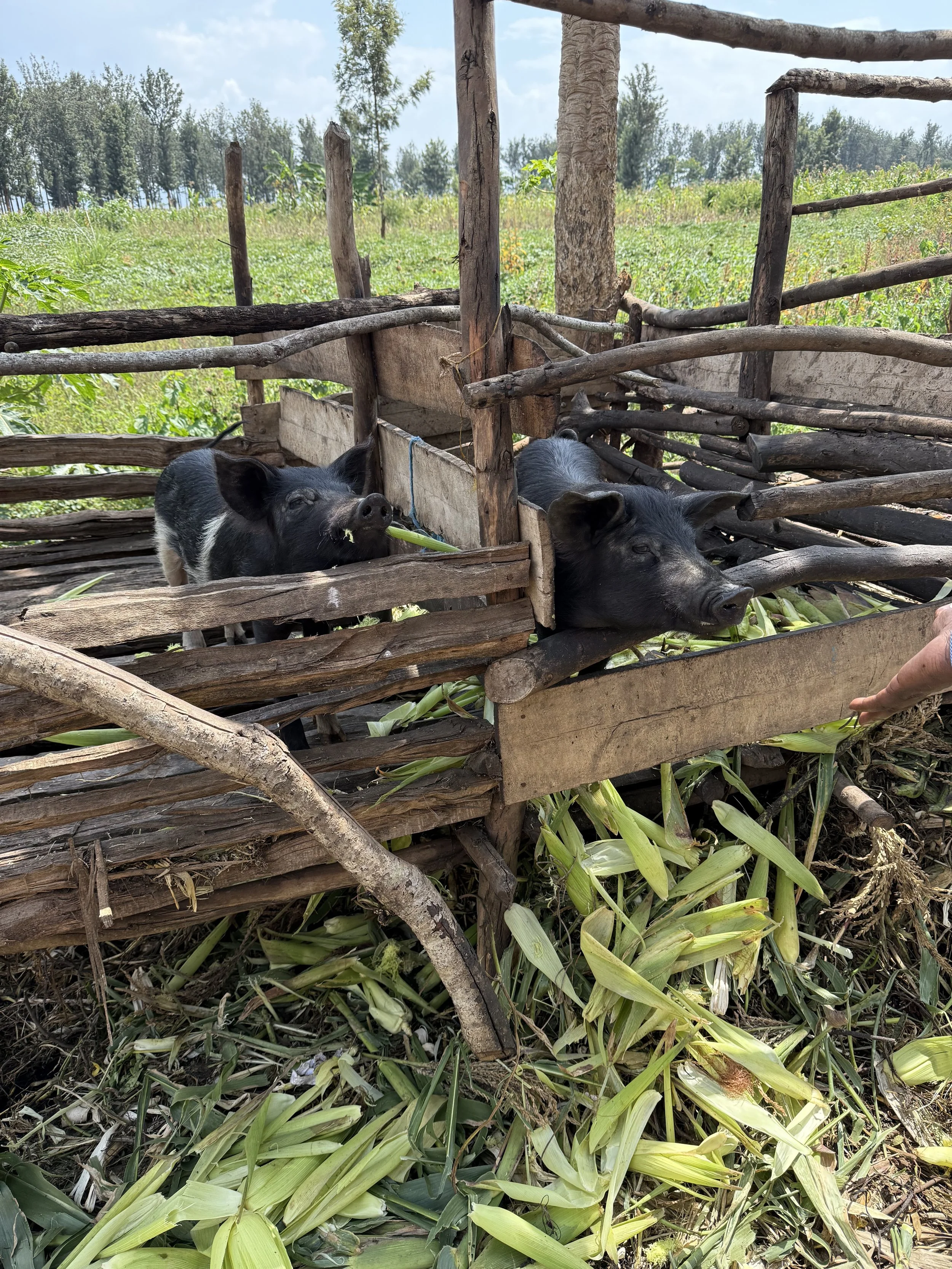
2 raise and sell livestock; pigs and chickens.
22 are farmers growing and selling corn, eggplant, sorghum, and fruits.
Pastor Alex explained that when the women first received the microloans, they were hesitant and fearful, unfamiliar with the idea of starting businesses.
But they moved forward. Today, their lives look very different. They are no longer dependent on the government for health insurance. Instead, they pay for their families health insurance. They feed their children daily meals. Pastor Alex reports their appearances are noticeable different, they are happier.
I learned that Mukashyaka Eugenie used her share of the savings bonus from 2022 to buy a pig. Since 2022, she has been raising pigs and selling the piglets.
Eugenie also raises chickens, selling eggs to the church community, the Rwandan army stationed nearby, and to the local government for its malnutrition program. Eugenie used her microloan to build upon her business.
Her hard work allowed her to buy land and build a home.
Mukashyaka Olive used her microloan to buy a pig for 30,000 RWF, raised it for a year, and sold it for 150,000 RWF. Olive continues to buy small pigs and sells them when they mature.
Despite two years of poor rainfall, the farmers learned to adjust and grow fruits closer to the lake and corn in a field that once was used to grow fruits further from the lake. The lake is a good source of water when there is no adequate rainfall.
For these women, 2025 was a year of learning and growing. What began as hesitation and fear became a story of courage confidence, resilience and hope for a better future.
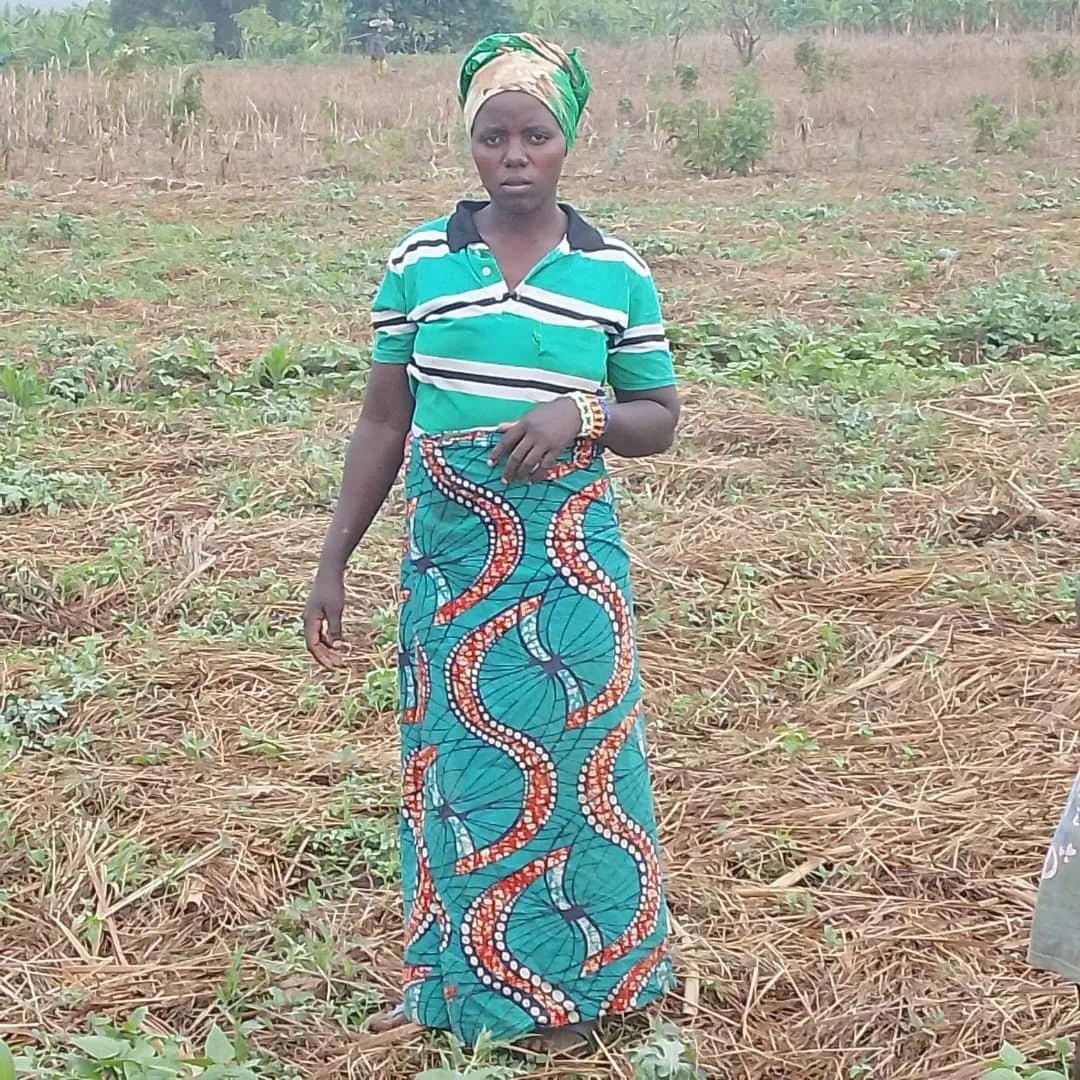
Mukashyaka Eugenie